Rock & Soil Core Sampling
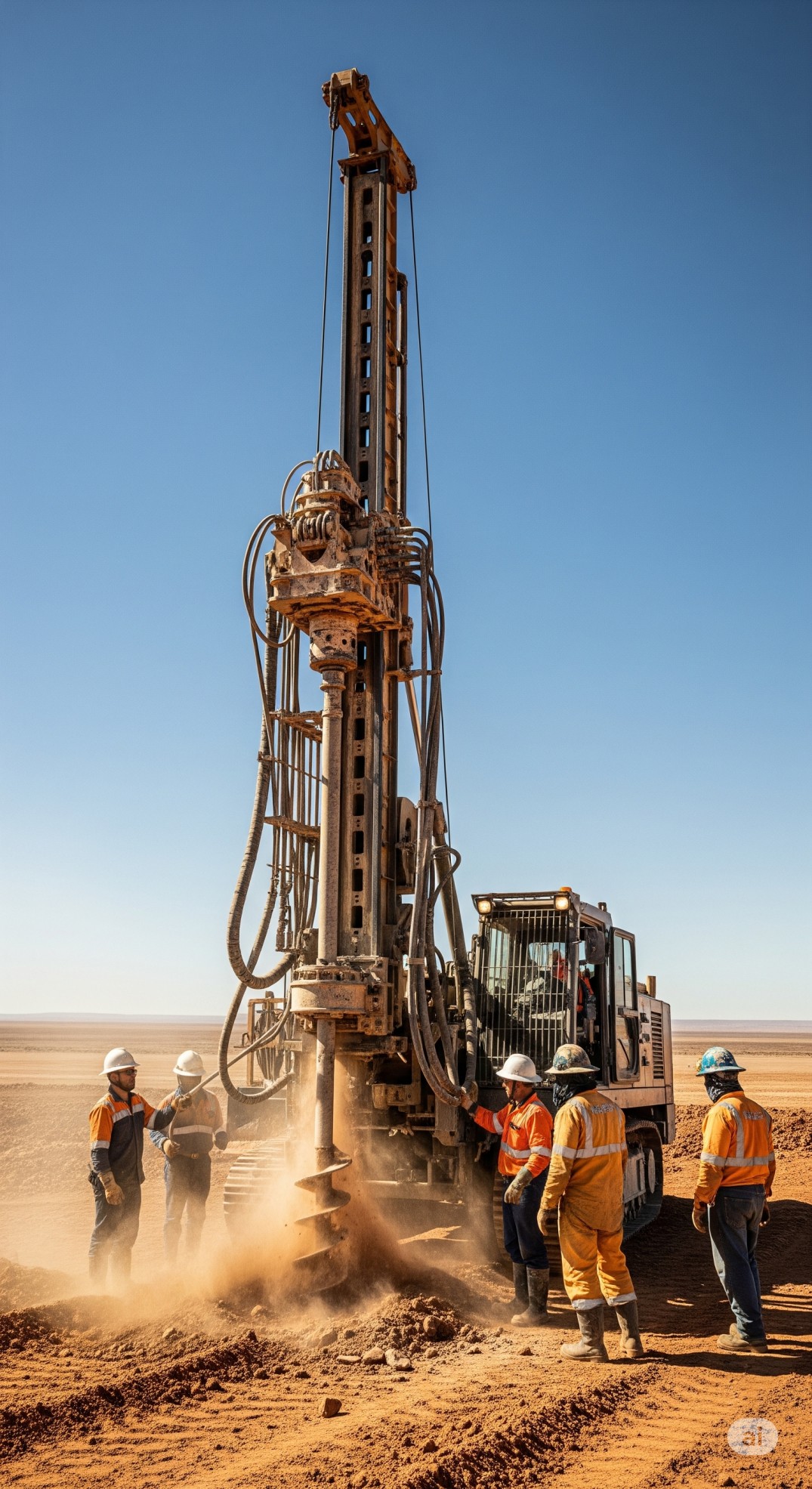
Rock & Soil Core Sampling
Rock and soil core sampling is a foundational technique in geotechnical engineering, geology, environmental science, and agriculture, involving the systematic extraction of intact, cylindrical sections of subsurface materials. Unlike basic excavation or grab sampling, core sampling provides undisturbed samples that preserve the original layering, structure, and moisture content of the ground. This meticulous process allows engineers and scientists to obtain a comprehensive cross-sectional view of the subsurface strata, from the topsoil down through various layers of soil, sediment, and bedrock. The integrity of these samples is crucial for accurate laboratory testing and analysis, providing vital data for everything from foundation design and slope stability assessment to environmental contamination studies and agricultural soil fertility evaluations.
Here are some key points about Rock & Soil Core Sampling:
- Definition: The process of extracting an intact, cylindrical sample (core) of soil, sediment, or rock from the ground, preserving its original structure and layering.
- Primary Purpose: To obtain representative, undisturbed samples that accurately reflect the in-situ properties and stratigraphy of the subsurface.
- Key Importance of Undisturbed Samples: Essential for reliable laboratory testing of:
- Physical Properties: Density, moisture content, void ratio, porosity, permeability.
- Mechanical Properties: Shear strength, compressive strength, consolidation characteristics (for soils).
- Chemical Properties: Contaminant levels, pH, nutrient content (especially for soils).
- Stratigraphy: Visual identification of different soil/rock layers and their boundaries.
- Common Applications:
- Geotechnical Investigations:
- Foundation Design: Determining bearing capacity and settlement characteristics for buildings, bridges, and other structures.
- Slope Stability Analysis: Assessing the stability of natural and cut slopes.
- Road & Pavement Design: Evaluating subgrade conditions.
- Tunnel & Dam Construction: Characterizing ground conditions for excavation and support.
- Environmental Site Assessments:
- Contamination Delineation: Identifying and mapping the extent and depth of soil or groundwater contamination.
- Waste Management: Assessing landfill sites and remediation areas.
- Geological Studies:
- Subsurface Mapping: Understanding regional geology, fault lines, and geological hazards.
- Resource Exploration: Locating and evaluating mineral deposits, aquifers, and hydrocarbon reservoirs.
- Agricultural Science:
- Soil Fertility: Analyzing nutrient levels, pH, and organic matter content for crop optimization.
- Irrigation Planning: Assessing soil water retention properties.
- Geotechnical Investigations:
- Common Sampling Methods & Equipment:
- Shelby Tube Samplers: For soft to medium cohesive soils, pushing a thin-walled steel tube into the ground.
- Split Spoon Samplers (SPT – Standard Penetration Test): Used in conjunction with a hammer blow count, primarily for cohesionless soils, but samples are generally disturbed.
- Piston Samplers: For very soft, sensitive soils, designed to minimize disturbance.
- Rotary Core Barrels: Equipped with cutting bits (e.g., diamond, tungsten carbide) for consolidated soils and rock, providing continuous cores.
- Hand Augers: For shallow soil sampling.
- Process Highlights:
- Drilling boreholes to target depths.
- Lowering appropriate sampling tools to collect cores.
- Careful retrieval, labeling, and boxing of samples (e.g., in core boxes).
- Preservation measures (e.g., sealing ends, maintaining moisture) before transport to the laboratory.
- Benefits: Provides detailed, reliable, and quantifiable data essential for risk assessment, design optimization, and informed decision-making in projects situated anywhere, including regions like Nagpur, Maharashtra, India, where diverse soil and rock conditions can be encountered.
Trust and Worth
Our Clients